Learn everything you need to know about pneumonia, including its causes, symptoms, risk factors, diagnosis, treatment options, and prevention tips. Stay informed and protect your respiratory health.
Pneumonia is a common yet potentially serious lung infection that affects millions of people worldwide each year. While it can be mild in healthy individuals, it can become life-threatening for infants, older adults, and people with weakened immune systems. In this blog post, we’ll explore what pneumonia is, its main causes, signs to watch for, available treatments, and how you can prevent it.
What Is Pneumonia?
Pneumonia is an infection that inflames the air sacs (alveoli) in one or both lungs. These air sacs may fill with fluid or pus, causing symptoms like cough, fever, chills, and difficulty breathing. Pneumonia can range in severity from mild to severe, depending on your age, overall health, and the type of germ causing the infection.
Common Causes of Pneumonia
Pneumonia can be caused by various infectious agents, including:
1. Bacteria
The most common cause is Streptococcus pneumoniae. Bacterial pneumonia often develops after a cold or the flu.
2. Viruses
Viruses like influenza (flu), respiratory syncytial virus (RSV), and COVID-19 can also cause viral pneumonia.
3. Fungi
Fungal pneumonia is more common in people with chronic health conditions or weakened immune systems.
4. Aspiration
Aspiration pneumonia occurs when food, drink, vomit, or saliva is inhaled into the lungs, typically affecting people with swallowing difficulties.
Signs and Symptoms of Pneumonia
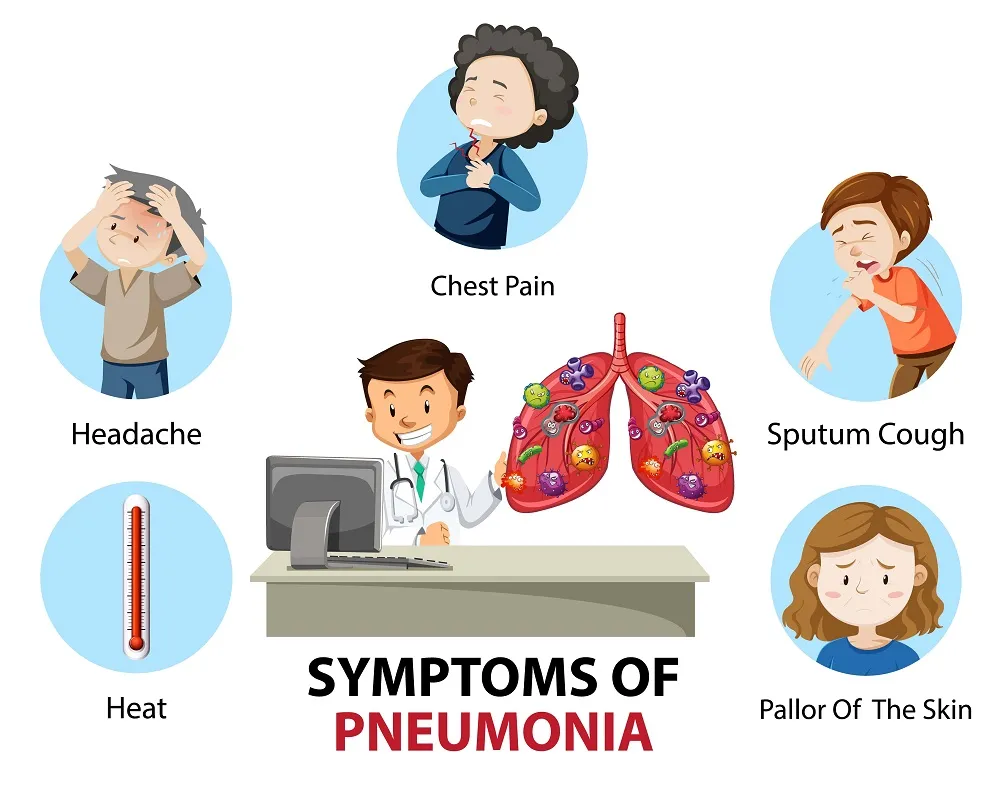
Recognizing pneumonia symptoms early is crucial for proper treatment. Common signs include:
- Persistent cough (with or without mucus)
- Fever and chills
- Shortness of breath
- Chest pain when breathing or coughing
- Fatigue and weakness
- Nausea or vomiting
- Confusion (especially in older adults)
If you experience severe symptoms such as rapid breathing, bluish lips or fingertips, or high fever, seek medical attention immediately.
How Is Pneumonia Diagnosed?
Doctors typically diagnose pneumonia through:
- Physical exam – Listening to the lungs with a stethoscope.
- Chest X-ray – To check for lung inflammation or fluid.
- Blood tests – To identify the type of infection.
- Sputum test – To analyze the mucus from your lungs.
- Pulse oximetry – To measure oxygen levels in your blood.
Treatment Options for Pneumonia
Treatment depends on the type and severity of pneumonia:
1. Bacterial Pneumonia
- Antibiotics are the primary treatment.
- Symptoms usually improve in a few days, but full recovery can take weeks.
2. Viral Pneumonia
- Often treated with rest, fluids, and antiviral medications (if applicable).
- Antibiotics are not effective for viruses.
3. Fungal Pneumonia
- Requires antifungal medications and medical supervision.
Home Remedies and Supportive Care
- Rest and hydration
- Over-the-counter medications to reduce fever and pain
- Using a humidifier to ease breathing
Severe cases may require hospitalization, oxygen therapy, or even intensive care.
Who Is Most at Risk?
Certain groups are more vulnerable to complications from pneumonia:
- Infants and young children
- Adults over age 65
- People with chronic illnesses (e.g., asthma, diabetes, heart disease)
- Smokers
- Individuals with weakened immune systems
How to Prevent Pneumonia
Vaccination
- Pneumococcal vaccine (e.g., Prevnar 20)
- Flu vaccine
- COVID-19 vaccine
- Vaccines are especially important for high-risk individuals.
Healthy Habits
- Wash your hands regularly
- Avoid smoking
- Maintain a strong immune system with good nutrition and regular exercise
Avoid Sick Contacts
- Limit exposure to people with respiratory infections
- Wear masks in crowded or high-risk areas
When to See a Doctor
Don’t wait if you or a loved one shows signs of pneumonia. Early diagnosis and treatment significantly reduce complications. Seek medical help if you experience:
- Chest pain while breathing
- Persistent high fever
- Difficulty breathing
- Severe fatigue or confusion
Final Thoughts
Pneumonia is more than just a bad cold—it’s a serious respiratory condition that demands timely attention. With proper prevention, early detection, and appropriate treatment, most people recover fully. Protect yourself and your loved ones by staying informed, getting vaccinated, and seeking prompt care when needed.
FAQs About Pneumonia
Q: Is pneumonia contagious?
A: Yes, some types—especially viral and bacterial—can spread from person to person through coughs or sneezes.
Q: How long does it take to recover from pneumonia?
A: Recovery can take from a week to several weeks, depending on severity and overall health.
Q: Can pneumonia come back?
A: Yes, especially in people with underlying health conditions or weakened immune systems.