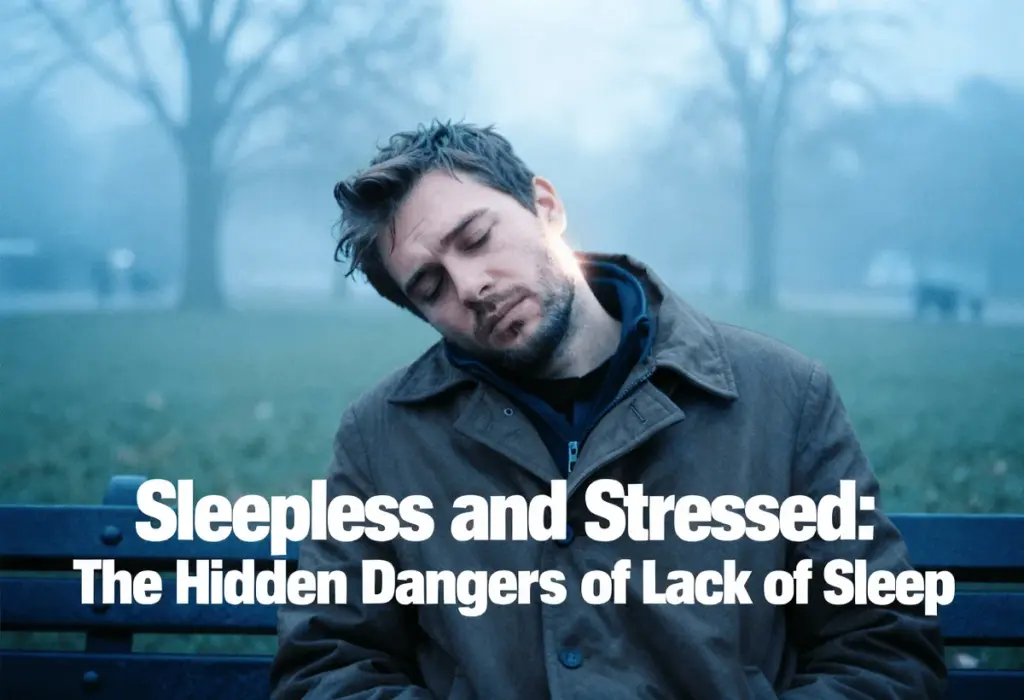
Introduction: Why Lack of Sleep Is More Serious Than You Think
Sleep is often the first thing we sacrifice when life gets busy—late-night work sessions, binge-watching one more episode, or scrolling endlessly through social media. But what many people don’t realize is that lack of sleep is more than just feeling tired. It affects your brain, body, emotions, and long-term health in ways that are easy to ignore but impossible to escape.
If you’ve been feeling exhausted, unfocused, irritable, or unmotivated lately, chronic sleep deprivation may be the silent culprit.
What Counts as “Lack of Sleep”?
For most adults, the magic number is 7–9 hours of sleep per night. Anything consistently below that can trigger symptoms of sleep deprivation. Teenagers and children need even more.
Even missing just one hour per night adds up and affects your daily performance.
The Hidden Effects of Lack of Sleep on Your Body
1. Your Brain Slows Down
Sleep loss interferes with:
- focus and concentration
- decision-making
- memory and learning
- creativity and problem-solving
That’s why tasks that feel easy on a well-rested day become overwhelming when you’re tired.
2. Mood and Emotions Become Harder to Control
People who lack sleep often experience:
- irritability
- anxiety
- emotional sensitivity
- stress overload
Chronic sleep deprivation is strongly linked to mood disorders such as depression and anxiety.
3. Increased Risk of Weight Gain
A tired brain craves quick energy, which translates into:
- increased cravings for sugar and carbs
- overeating
- slowed metabolism
Your hunger hormones (ghrelin and leptin) become imbalanced, making weight loss much more difficult.
4. Weakened Immune System
Sleep is when your body repairs itself. Without it, you are more likely to catch:
- colds
- infections
- viruses
Your immune cells simply cannot function properly without enough restorative sleep.
5. Long-Term Health Risks
If you regularly get too little sleep, the long-term consequences can be serious:
- heart disease
- type 2 diabetes
- high blood pressure
- chronic inflammation
- reduced life expectancy
Sleep is not optional—it’s a biological necessity.
The Mental Effects of Lack of Sleep
Brain Fog
You may feel like your thoughts are moving through molasses.
Memory Lapses
Sleep is when short-term memories become long-term ones.
Poor Stress Management
Your brain becomes more reactive and less rational.
Low Motivation
Even simple tasks become harder to start or finish.
Why Modern Life Makes Sleep Harder
We are living in a sleep-hostile world:
- excessive screen time
- late-night work culture
- stress and anxiety
- caffeine overuse
- noisy or bright environments
- disrupted sleep schedules
All these factors chip away at our nightly rest.
How to Sleep Better: Proven Tips for Quality Rest
1. Set a Consistent Sleep Schedule
Go to bed and wake up at the same time every day, even on weekends.
2. Limit Screen Time Before Bed
Blue light reduces melatonin, your sleep hormone. Turn screens off 60 minutes before bedtime.
3. Create a Relaxing Night Routine
Try:
- warm showers
- meditation
- quiet reading
- gentle stretching
Your body thrives on predictable signals.
4. Optimize Your Sleep Environment
Make your bedroom:
- cool
- dark
- quiet
- clutter-free
A good mattress and pillow matter more than you think.
5. Be Careful With Caffeine
Avoid coffee, energy drinks, and soda at least 6 hours before bed.
6. Avoid Heavy Meals Late at Night
Large meals can disrupt digestion and make it harder to sleep comfortably.
7. Move Your Body During the Day
Regular physical activity helps regulate your sleep cycle—but avoid intense workouts right before bed.
8. Manage Stress
Journaling, deep breathing, or progressive muscle relaxation can calm your nervous system.
When to Seek Professional Help
If you consistently struggle to fall asleep, stay asleep, or wake up exhausted despite trying healthy habits, you may be dealing with:
- insomnia
- sleep apnea
- anxiety-related sleep issues
- restless leg syndrome
Talking to a doctor or sleep specialist can be life-changing.
Conclusion: Prioritize Sleep, Transform Your Life
Lack of sleep is more than a minor inconvenience—it affects every part of your health and happiness. By understanding its dangers and taking steps to improve your sleep habits, you can boost your energy, mood, productivity, and overall quality of life.
Sleep is not a luxury.
It’s one of the greatest gifts you can give yourself.