Introduction: Why Garlic Deserves a Spot in Every Kitchen
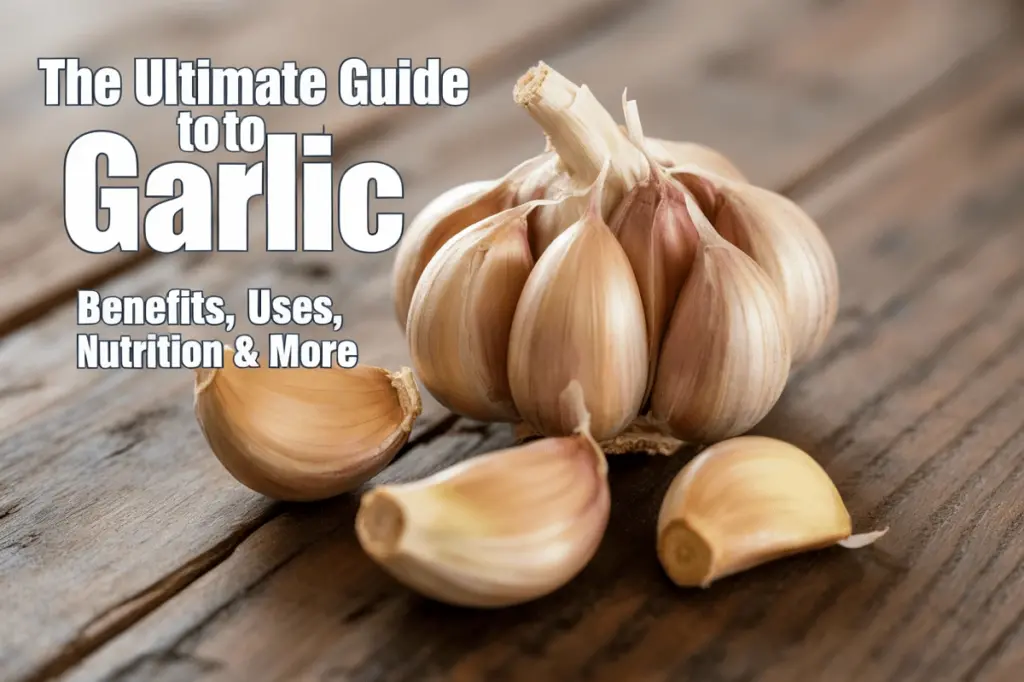
Garlic—scientifically known as Allium sativum—is one of the oldest cultivated plants in the world. Loved for its strong aroma and bold flavor, garlic is not just a culinary staple but also a natural health enhancer. From boosting immunity to protecting heart health, garlic has earned a reputation as a superfood. In this comprehensive guide, we explore everything you need to know about garlic: its benefits, uses, nutrition, and tips for selecting, storing, and cooking it.
What Is Garlic?
Garlic is a member of the Allium family, which also includes onions, leeks, and shallots. A garlic bulb contains several cloves, each wrapped in thin papery skin. When chopped or crushed, garlic releases a compound called allicin, responsible for its distinct smell and many of its health benefits.
Health Benefits of Garlic
Garlic has been used medicinally for centuries. Modern research supports many of its traditional uses.
1. Boosts Immune Function
Garlic is rich in antioxidants and compounds that help the body fight infection. Regular consumption may reduce the severity and duration of colds and flu.
2. Supports Heart Health
Garlic may help:
- Lower blood pressure
- Reduce LDL “bad” cholesterol
- Improve blood circulation
These effects contribute to better cardiovascular health.
3. Anti-Inflammatory Properties
Allicin and sulfur compounds in garlic help reduce inflammation, supporting joint health and reducing chronic disease risk.
4. Natural Antibacterial & Antifungal Agent
Garlic has been used traditionally to fight infections due to its natural antimicrobial properties.
5. May Support Blood Sugar Control
Studies suggest garlic can improve insulin sensitivity and support healthy blood sugar levels in people with diabetes.
Nutritional Value of Garlic
Nutrition per 1 clove (3g):
- Calories: 4
- Carbohydrates: 1g
- Fiber: 0.1g
- Vitamin C
- Vitamin B6
- Manganese
- Selenium
- Sulfur compounds (allicin)
This small powerhouse packs essential nutrients and bioactive compounds without adding many calories.
Culinary Uses: How to Cook With Garlic
Garlic is extremely versatile. You can use it:
Fresh
- Sliced for mild flavor
- Minced for stronger flavor
- Crushed for the most intense flavor
Cooked
- Roasted for sweetness
- Sautéed as a base for soups, sauces, and stir-fries
- Added to marinades, dressings, and dips
Raw
Raw garlic offers the highest concentration of allicin—great for health drinks, dressings, and salsas.
Different Types of Garlic
Softneck Garlic
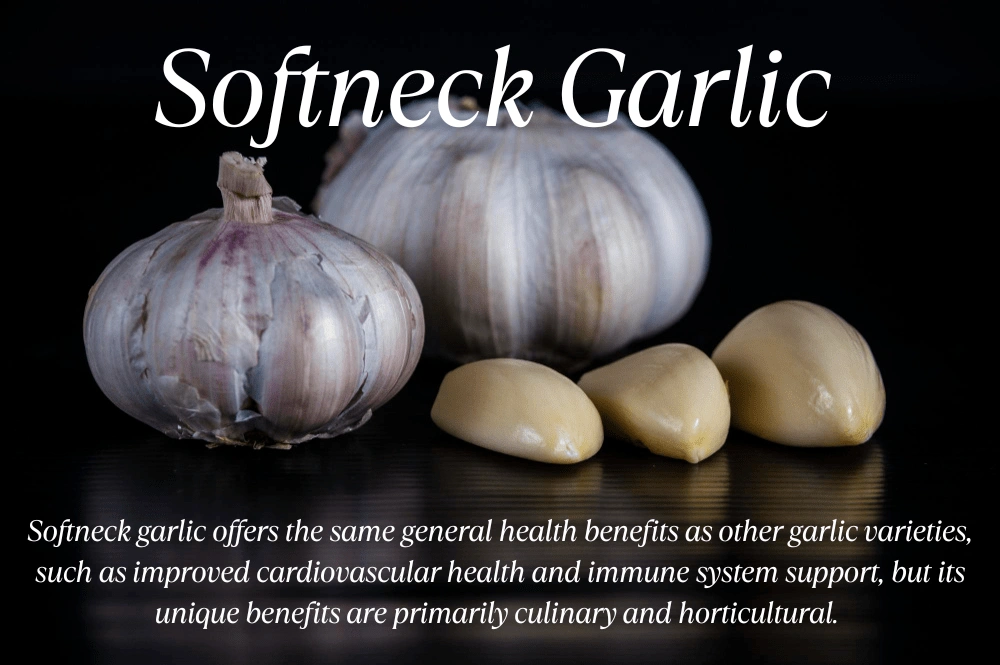
- Most common type
- Long shelf life
- Ideal for braiding
Hardneck Garlic
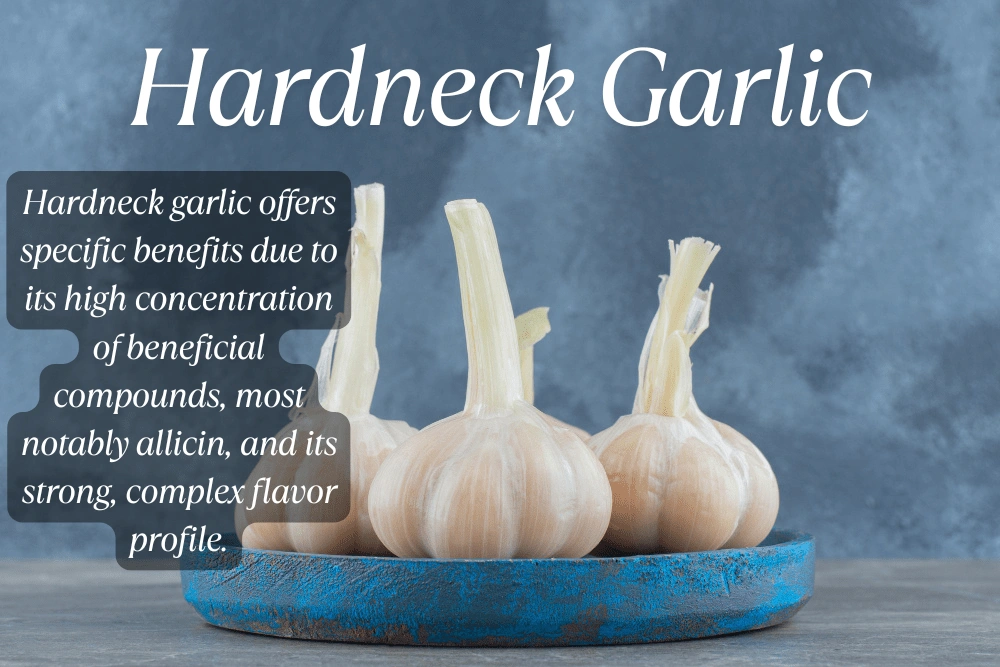
- Stronger flavor
- Easier to peel
- Produces garlic scapes (edible flower stalks)
How to Grow Garlic at Home
Growing garlic is surprisingly simple.
1. Choose fresh, healthy cloves.
Plant in fall or early spring.
2. Plant the cloves pointy-side up.
Place 2–3 inches deep in well-drained soil.
3. Water consistently.
Garlic needs moisture but not soggy soil.
4. Harvest when the leaves turn yellow.
Lift bulbs gently and allow them to cure in a dry, airy space.
How to Store Garlic Properly
To make garlic last longer:
- Keep bulbs in a cool, dry, dark place
- Avoid storing in the refrigerator
- Use a mesh bag or open container for airflow
Properly stored garlic can last several months.
Potential Side Effects of Garlic
While garlic is generally safe, some people may experience:
- Bad breath
- Stomach upset
- Heartburn
- Allergic reactions in rare cases
Always check with a healthcare provider before taking garlic supplements, especially if you take blood-thinning medications.
Frequently Asked Questions (FAQs)
1. How much garlic should I eat per day?
1–2 cloves per day is typically enough to enjoy health benefits.
2. Is raw garlic better than cooked garlic?
Raw garlic contains more allicin, but cooked garlic still offers many benefits.
3. Can garlic help with colds?
Yes. Studies suggest garlic may help reduce the severity and duration of cold symptoms.
4. Is garlic good for weight loss?
Garlic may support metabolism and reduce inflammation, indirectly aiding weight management.
Conclusion
Garlic is more than a kitchen essential—it’s a nutritional and medicinal powerhouse. Whether you want to enhance your cooking or improve your health naturally, garlic is one of the simplest and most effective ingredients you can use. Add it to your meals, grow it at home, or enjoy it raw—the benefits are countless.