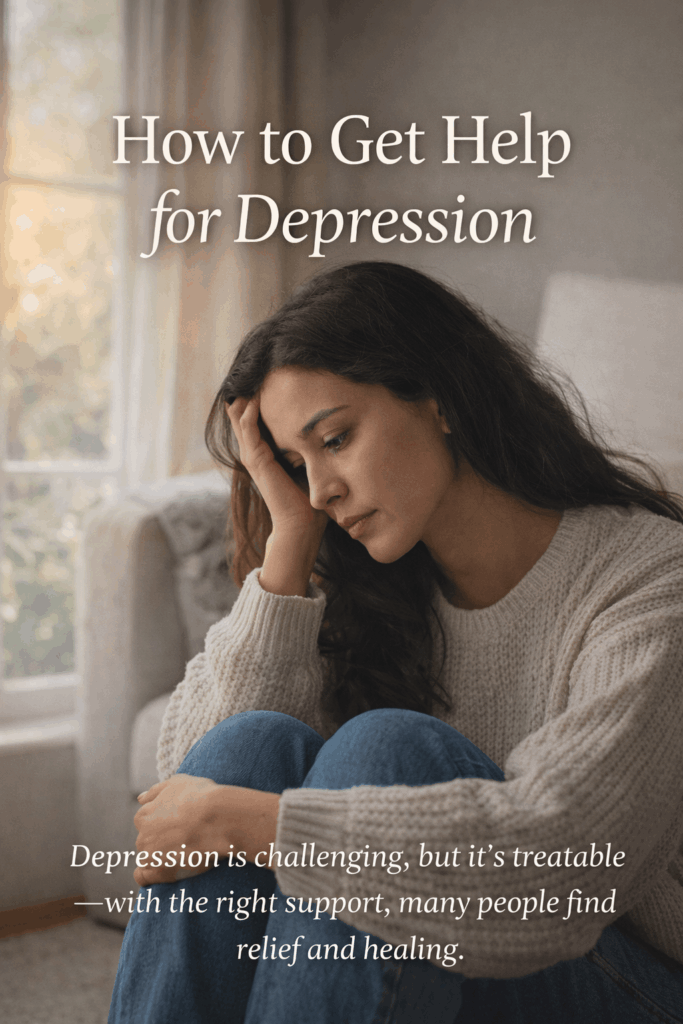
Depression can feel heavy, isolating, and hard to understand — whether you’re experiencing it yourself or supporting someone you care about. But the most important thing to know is this: you are not alone, and help is available. Depression is a real health condition, and with the right support and resources, many people find relief and healing.
In this article, we explain in clear terms what depression is, how it’s diagnosed, common treatment options, supportive lifestyle practices, and where to find help.
What Is Depression?
Depression is more than just feeling sad or having a bad day. It’s a mental health condition that can affect your mood, thoughts, energy, motivation, and daily functioning. Common signs may include:
- Persistent sadness or emptiness
- Loss of interest in things you once enjoyed
- Low energy or fatigue
- Changes in sleep or appetite
- Difficulty concentrating
- Feeling hopeless or overwhelmed
These symptoms must usually persist for at least two weeks and interfere with daily life to be considered depression.
Depression can have different causes, including:
- Brain chemistry imbalances
- Genetics
- Chronic stress or traumatic life events
- Health conditions or medication side effects
- Seasonal changes and lack of sunlight
Understanding the cause can help tailor the best approach to treatment.
Professional Help: Therapy, Diagnosis & Treatment
1. Talk Therapy (Psychotherapy)
Speaking with a trained therapist can help you understand your thoughts, emotions, and behaviors. Therapy approaches like cognitive behavioral therapy (CBT) help you change unhelpful patterns and build coping skills.
2. Medication
For some people, antidepressant medications are helpful in managing depression symptoms. These can help balance brain chemicals that affect mood. A healthcare provider will discuss the pros and cons with you.
3. Diagnosis & Evaluation
To diagnose depression, a clinician will ask about your symptoms, your medical history, and may use structured questionnaires. In some cases, physical tests like blood work can rule out other causes.
Supportive Lifestyle Habits That Can Help
While professional treatment is essential for many people, supportive daily habits can make a positive difference alongside it:
1. Stay Active
Physical activity — even walking — helps release endorphins and can improve mood.
2. Maintain a Routine
Consistent sleep, meals, and daily structure help stabilize your mood and energy levels.
3. Eat Balanced Meals
A nutrient-rich diet supports brain and body health, and may help your overall emotional well-being.
4. Stay Social
Connecting with friends and loved ones — even when you don’t feel like it — can reduce isolation and improve your mood.
5. Practice Small Daily Wins
Completing small tasks, like making your bed or doing the dishes, can give you a sense of accomplishment and control.
These habits are not quick fixes for clinical depression, but they can support your overall wellbeing when combined with appropriate care.
Supporting Someone With Depression
If someone you care about is struggling:
- Be patient and listen without judgment
- Encourage them to seek professional help
- Join them in activities that promote well-being
- Stay in touch regularly
Supporting others while taking care of yourself is vital — you can’t pour from an empty cup.
When Immediate Help is Needed
If you or someone else is thinking about self-harm or feels unsafe:
- Call your local emergency number immediately
- Search for mental health crisis lines in your country
- Reach out to a trusted friend or family member now
Help is urgent and available — you do not have to cope alone.
Final Thought
Depression can be challenging, but it’s treatable. With the right combination of professional care, supportive habits, and connection, many people experience improvement and regain control of their lives.
You deserve support, understanding, and compassion — and reaching out for help is a courageous first step.