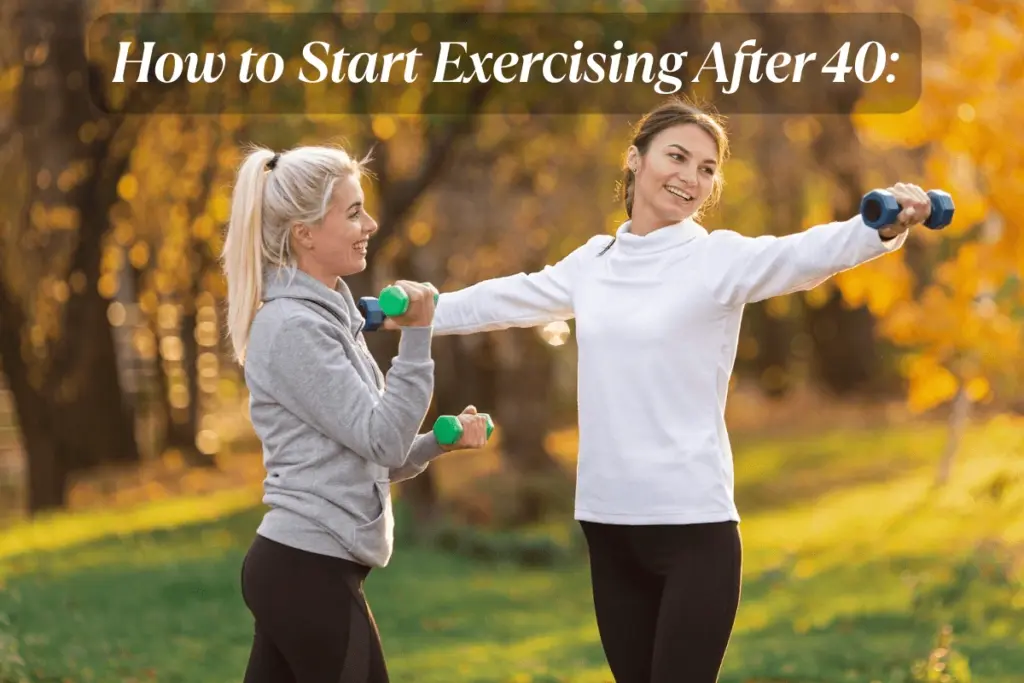
If you’re over 40 and wondering how to start exercising safely and effectively, you’re not alone. Many people in their 40s and beyond want to improve their health, boost energy, and feel stronger—but don’t know where to begin. The good news? It’s never too late to start.
In this guide, we’ll walk you through how to start exercising after 40, with practical tips, workout ideas, and expert advice to help you build a routine that sticks.
Why Exercise Is Crucial After 40
Once you hit your 40s, your body starts to change. You may notice:
- Slower metabolism
- Muscle loss (sarcopenia)
- Increased risk of chronic illnesses (heart disease, diabetes, osteoporosis)
- More aches and pains
Regular physical activity can help you combat these changes, stay fit, and maintain independence as you age. Exercise boosts mental clarity, supports weight management, improves sleep, and even lifts your mood.
Step 1: Get Medical Clearance
Before starting any new workout routine after 40, consult your doctor—especially if you have existing health conditions, joint issues, or a sedentary lifestyle. This step ensures your safety and helps guide the right type of exercise for your current health status.
Step 2: Set Realistic Fitness Goals
Jumping into intense workouts too quickly can lead to injury or burnout. Instead, set SMART goals:
- Specific: “I want to walk 30 minutes, 5 days a week.”
- Measurable: “Lose 5 pounds in 2 months.”
- Achievable: “Start strength training twice a week.”
- Relevant: “Improve heart health and stamina.”
- Time-bound: “Stick with this plan for 12 weeks.”
Step 3: Choose the Right Type of Exercise After 40
A well-balanced routine should include four key components:
1. Cardiovascular Exercise
Great for heart health and fat loss. Try:
- Brisk walking
- Cycling
- Swimming
- Dancing
- Low-impact aerobics
Start with 20–30 minutes, 3–5 times a week.
2. Strength Training
After 40, muscle mass naturally declines. Resistance training:
- Builds lean muscle
- Boosts metabolism
- Strengthens bones
Use resistance bands, body weight (like squats or push-ups), or dumbbells. Aim for 2–3 sessions per week.
3. Flexibility and Mobility
Stretching improves range of motion and reduces injury risk. Include:
- Yoga
- Dynamic stretches
- Foam rolling
Do this daily or after workouts.
4. Balance Exercises
To prevent falls and improve coordination:
- Standing on one leg
- Tai Chi
- Stability ball exercises
Step 4: Start Slow and Progress Gradually
When starting to exercise after 40, listen to your body. Begin with low-impact workouts and gradually increase intensity. Try this sample beginner weekly plan:
| Day | Workout |
|---|---|
| Monday | 30-min brisk walk + stretching |
| Tuesday | Rest or light yoga |
| Wednesday | Strength training (30 min) |
| Thursday | 20-min walk + balance exercises |
| Friday | Strength training (30 min) |
| Saturday | Active leisure (hike, swim, dance) |
| Sunday | Rest or light stretching |
Step 5: Fuel Your Body Right
Exercising over 40 means paying more attention to nutrition:
- Eat lean protein to support muscle repair
- Load up on fruits and vegetables for antioxidants
- Stay hydrated
- Limit sugar and processed foods
- Consider supplements (like vitamin D, calcium, or magnesium) if needed
Step 6: Prioritize Recovery and Sleep
Your body doesn’t bounce back as fast as it used to. Give it time to rest:
- Aim for 7–9 hours of sleep per night
- Take rest days between intense sessions
- Use recovery tools like foam rollers or massages
Common Mistakes to Avoid
- Doing too much too soon
- Ignoring warm-ups or cool-downs
- Comparing yourself to others
- Sticking only to cardio
- Skipping recovery time
Staying Motivated to Exercise After 40
Sticking with a fitness routine is easier when it’s fun and rewarding:
- Find a workout buddy or join a class
- Set mini-milestones and celebrate wins
- Track your progress (photos, journal, fitness app)
- Mix things up to avoid boredom
Final Thoughts: You’re Not Too Old to Get Fit
Starting to exercise after 40 might feel intimidating, but it’s one of the best decisions you can make for your long-term health. It’s not about perfection—it’s about progress, consistency, and self-care.
So, whether you’re just getting off the couch or returning after a long break, remember: you’ve got this.