Fenugreek Seeds: A Small Seed with Big Health Benefits
Tiny but mighty, fenugreek seeds have been valued for centuries for their medicinal properties and culinary uses. From boosting digestion to supporting blood sugar levels, these little seeds pack a powerful punch. Whether you’re a health enthusiast, a home cook, or simply curious about natural remedies, fenugreek seeds are worth exploring.
What Are Fenugreek Seeds?
Fenugreek (Trigonella foenum-graecum) is an herb native to the Mediterranean region, India, and North Africa. Its seeds are small, golden-brown, and have a slightly bitter, nutty flavor. Commonly used in cooking and traditional medicine, fenugreek seeds can be consumed whole, ground into powder, or soaked in water.
Nutritional Profile of Fenugreek Seeds
Fenugreek seeds are a rich source of:
- Fiber: Supports digestion and gut health.
- Vitamins: Includes vitamin B6, folic acid, and vitamin C.
- Minerals: Contains iron, magnesium, and manganese.
- Protein: An excellent plant-based protein source.
- Phytonutrients: Includes compounds with antioxidant and anti-inflammatory properties.
Top Health Benefits of Fenugreek Seeds
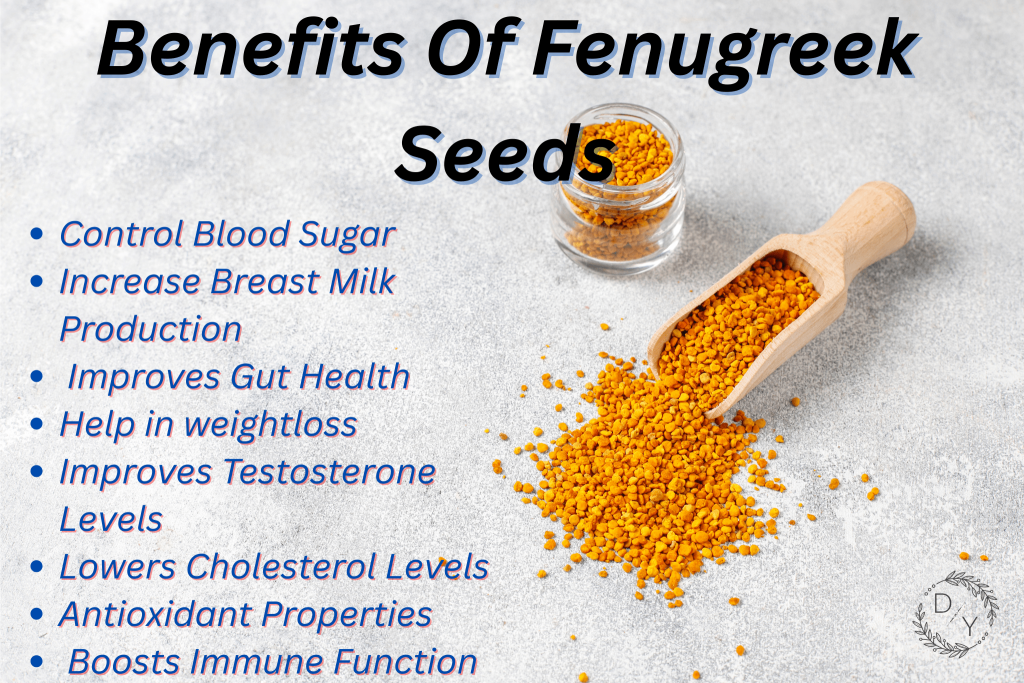
- Regulates Blood Sugar Levels
Fenugreek seeds contain soluble fiber, which slows down sugar absorption in the body and helps manage diabetes. - Boosts Digestive Health
The fiber content aids digestion, prevents constipation, and promotes healthy gut bacteria. - Supports Heart Health
Fenugreek seeds may help reduce cholesterol and triglyceride levels, contributing to overall cardiovascular wellness. - Enhances Lactation
Traditionally, fenugreek seeds are known to support milk production in breastfeeding mothers. - Anti-inflammatory and Antioxidant Properties
Fenugreek seeds help reduce inflammation and oxidative stress, promoting general health and wellness. - Supports Weight Management
The fiber in fenugreek seeds promotes a feeling of fullness, which can help control appetite and support weight loss efforts.
How to Use Fenugreek Seeds
- Soaked Seeds: Soak 1–2 teaspoons of seeds in water overnight and consume in the morning.
- Powder Form: Mix fenugreek powder into smoothies, curries, or teas.
- Cooking Spice: Add to Indian dishes like dals, curries, and pickles.
- Fenugreek Tea: Boil seeds in water and strain for a soothing herbal tea.
Precautions
- Pregnancy: Consult a doctor before consuming fenugreek in large amounts.
- Allergies: Some individuals may be allergic to fenugreek.
- Medication Interactions: May interfere with blood sugar-lowering medications.
Conclusion
Though small in size, fenugreek seeds are a powerhouse of nutrients and medicinal properties. From improving digestion to regulating blood sugar and enhancing heart health, these seeds offer a natural and effective way to boost overall wellness. Incorporating fenugreek seeds into your diet is simple, versatile, and highly beneficial. Used as a spice in Indian, Middle Eastern, and North African cuisine.