
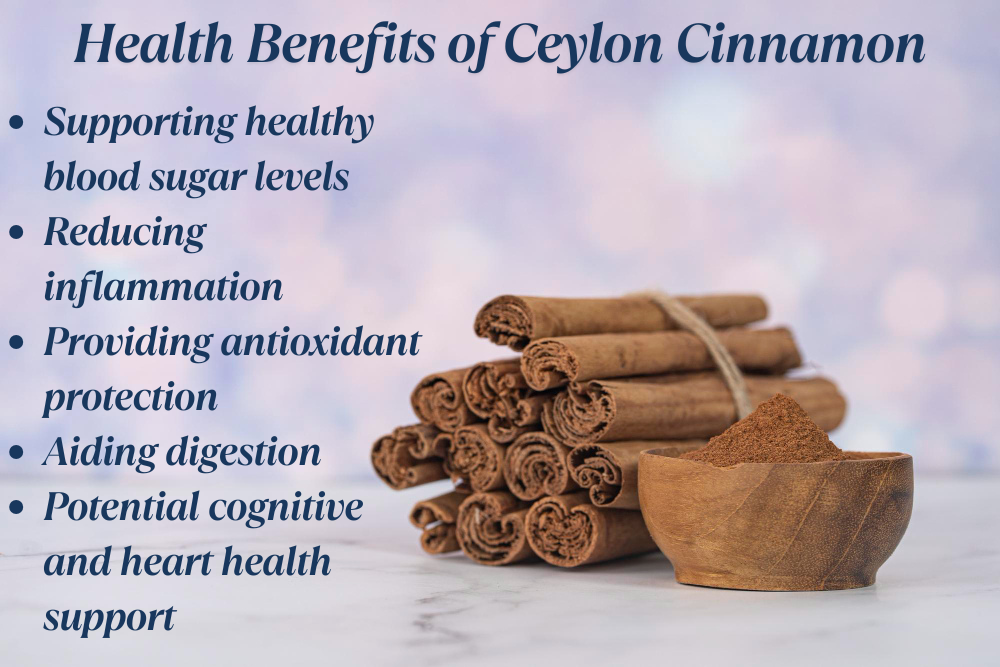
When it comes to cinnamon, not all varieties are created equal. While many are familiar with the common cinnamon found in most supermarkets, known as Cassia cinnamon, there is a superior and often overlooked variety known as Ceylon cinnamon—also called “true cinnamon.” Originating from Sri Lanka, Ceylon cinnamon has been cherished for centuries, not only for its delicate and complex flavor but also for its powerful health benefits.
What is Ceylon Cinnamon?
Ceylon cinnamon (scientific name Cinnamomic velum) comes from the inner bark of a tropical evergreen tree native to Sri Lanka and parts of southern India. Unlike Cassia cinnamon, which comes from Cinnamomic cassia, Ceylon cinnamon has a lighter brown color, a finer texture, and a sweeter, more subtle flavor profile. Its bark is thin and rolls into multiple soft layers, whereas Cassia bark is thicker and harder.
This difference in appearance and texture is more than just cosmetic—it affects flavor, usage, and importantly, health properties.
Why is Ceylon Cinnamon Called “True Cinnamon”?
Ceylon cinnamon is called “true cinnamon” because it is the original cinnamon that has been used for thousands of years, dating back to ancient Egypt and the spice trade routes. The name “Ceylon” comes from the old name for Sri Lanka, where the best quality cinnamon is grown.
In contrast, Cassia cinnamon, often labeled simply as “cinnamon” in stores, is a cheaper and more common variety that can have higher levels of a compound called coumarin, which can be harmful in large amounts.
Key Differences: Ceylon vs. Cassia Cinnamon
| Feature | Ceylon Cinnamon | Cassia Cinnamon |
|---|---|---|
| Scientific Name | Cinnamomic velum | Cinnamomic cassia |
| Origin | Sri Lanka (Ceylon) | China, Indonesia, Vietnam |
| Appearance | Thin, soft, multi-layered bark | Thick, hard bark |
| Flavor | Sweet, delicate, mild | Strong, spicy, pungent |
| Coumarin Content | Very low | High |
| Price | Higher (premium) | Lower |
Powerful Health Benefits of Ceylon Cinnamon
Ceylon cinnamon is not only prized for its taste but also for its rich concentration of antioxidants, anti-inflammatory compounds, and other bioactive substances that can promote good health. Here are some notable benefits:
1. Rich in Antioxidants
Ceylon cinnamon is loaded with polyphenol antioxidants that help protect your body from oxidative stress and damage caused by free radicals. These antioxidants support immune health and reduce the risk of chronic diseases.
2. Anti-Inflammatory Properties
Chronic inflammation is linked to many health conditions such as heart disease, diabetes, and arthritis. Ceylon cinnamon’s natural compounds help reduce inflammation, which may alleviate symptoms and promote overall wellness.
3. Supports Healthy Blood Sugar Levels
One of the most studied benefits of cinnamon is its ability to help regulate blood sugar. Ceylon cinnamon can improve insulin sensitivity and slow down the digestion of carbohydrates, preventing blood sugar spikes—a valuable benefit for people with type 2 diabetes or insulin resistance.
4. Heart Health
Ceylon cinnamon may help lower levels of LDL (bad) cholesterol and triglycerides while maintaining good cholesterol levels. This contributes to a healthier heart and reduces the risk of cardiovascular diseases.
5. Antimicrobial and Antifungal Effects
Studies show that cinnamon oil and extracts have antimicrobial properties, helping fight bacteria and fungi. This can benefit oral health, skin infections, and may even preserve food by reducing bacterial growth.
6. Brain Health
Some research suggests cinnamon compounds can protect neurons, improve brain function, and may even reduce the risk of neurodegenerative diseases such as Alzheimer’s and Parkinson’s.
How to Use Ceylon Cinnamon
Ceylon cinnamon can be used in a variety of ways, making it easy to incorporate into your daily routine:
- Sprinkle it on oatmeal, yogurt, or fresh fruit for natural sweetness.
- Add to smoothies or coffee for a warm, aromatic boost.
- Use in baking recipes like cakes, cookies, or bread.
- Mix with honey or warm water for a soothing drink.
- Include in savory dishes like curries or stews for a subtle flavor lift.
Since Ceylon cinnamon has a milder taste than Cassia, it can be used generously without overpowering other flavors.
Why Choose Ceylon Over Cassia?
The main reason to choose Ceylon cinnamon over Cassia is safety and health. Cassia contains significantly higher amounts of coumarin, which, in large doses, can cause liver damage and interact negatively with medications. Ceylon cinnamon contains only trace amounts of coumarin, making it a safer option for daily consumption, especially for those who consume cinnamon regularly or in larger quantities.
Where to Buy Authentic Ceylon Cinnamon
To get the full benefits of true cinnamon, always look for authentic Ceylon cinnamon, which is often labeled as “Ceylon” or “true cinnamon.” It is available in:
- Specialty spice shops
- Health food stores
- Online retailers with high-quality sourcing
- Sri Lankan or Indian markets
Avoid generic “cinnamon” powder, which is most likely Cassia.
Final Thoughts
Ceylon cinnamon is much more than just a flavorful spice—it is a true superfood with a rich history and a powerful impact on health. From its antioxidant and anti-inflammatory properties to its ability to support blood sugar control and heart health, choosing Ceylon cinnamon can be a simple yet effective way to enhance your wellness naturally.
Next time you reach for cinnamon, make sure it’s the real deal—Ceylon cinnamon, the true cinnamon that offers authentic flavor and impressive health benefits.

Pingback: Cinnamon: The Sweet Spice with a Rich History - Do it yourself Live Life
Pingback: What to Eat for All-Day Energy Without Caffeine | DIY Live Life
Pingback: DIY Golden Milk Latte | Anti-Inflammatory Drink Body Will Love