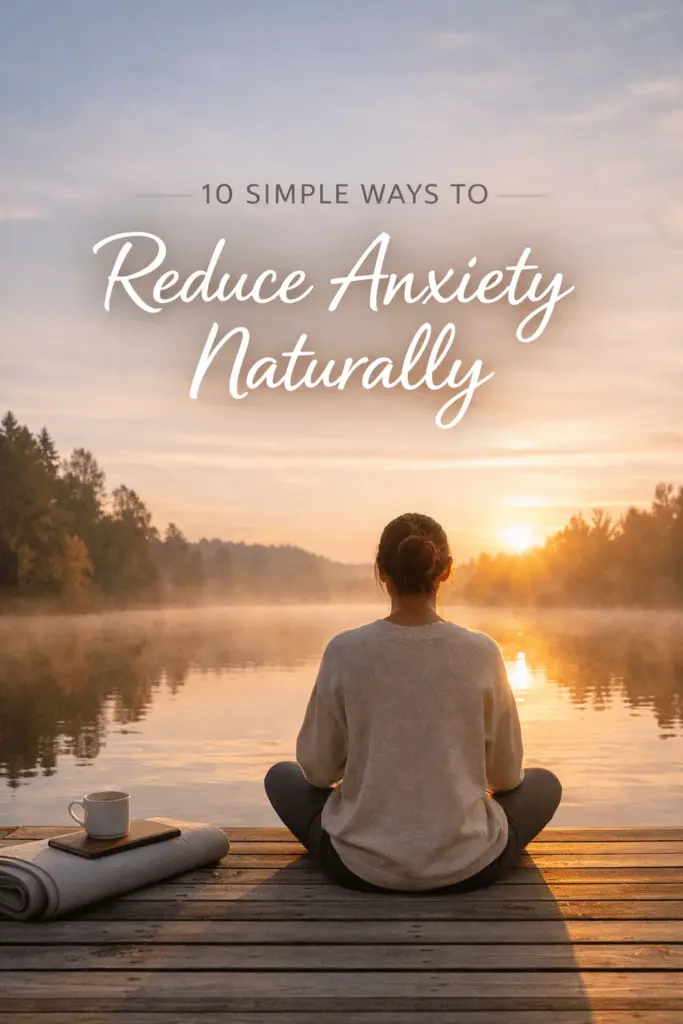
Anxiety affects millions of people worldwide, but you don’t always need medication to find relief. Many powerful natural practices can help calm your nervous system, support emotional balance, and reduce anxious feelings. These evidence-based strategies are safe, easy to start, and ideal for everyday life.
Here are 10 simple ways to reduce anxiety naturally—backed by experts and scientific research. Apollo 24|7+1
1. Practice Deep Breathing Daily
When anxiety strikes, your breathing often becomes quick and shallow. Deliberate deep breathing sends a signal to your nervous system that you’re safe, helping to reduce stress and calm anxiety.
Try the 4-7-8 technique:
- Inhale through your nose for 4 seconds
- Hold for 7 seconds
- Exhale through your mouth for 8 seconds
Repeat this cycle 3–5 times.
Deep breathing can reset your nervous system within minutes and is effective anytime, anywhere. Apollo 24|7
👉 Pair this with daily mindfulness practices from our Mindfulness & Emotional Health pillar for deeper results.
2. Stay Physically Active Every Day
Regular exercise is one of the most powerful natural anxiety reducers. Physical activity releases endorphins—your brain’s “feel-good” chemicals—and lowers stress hormones like cortisol. Apollo 24|7
You don’t need a gym membership — try:
- A brisk 30-minute walk
- Gentle yoga
- Dancing in your living room
- Bike riding
Even short periods of movement improve mood and lessen anxiety over time. Northpoint Recovery
🧘♀️ Visit our Fitness & Movement guides for beginner-friendly routines.
3. Eat a Balanced, Nutrient-Rich Diet
What you eat affects your mood. Low blood sugar, dehydration, or nutrient deficiencies can make anxiety worse. Healthline
Helpful tips:
- Choose whole foods like fruits, vegetables, and lean proteins
- Include omega-3 rich foods (salmon, walnuts)
- Avoid processed sugars and excessive caffeine
- Drink plenty of water throughout the day
Stable energy from meals helps level out mood swings and reduces anxious feelings. Dignity Health
🥗 You’ll find helpful ideas in our Wellness & Nutrition pillar.
4. Prioritize Quality Sleep
Poor sleep worsens anxiety and makes it harder to cope with stress. Adults generally need 7–9 hours of quality sleep per night. Dignity Health
Here’s how to improve sleep:
- Keep a consistent bedtime routine
- Avoid screens before sleeping
- Sleep in a cool, dark room
- Try relaxation teas like chamomile or lavender (shown to have calming effects) Health
Better sleep supports emotional balance and clearer thinking.
5. Try Mindfulness or Meditation
Mindfulness meditation trains your brain to stay in the present moment rather than worrying about the future or dwelling on the past. Healthline
Even 10–15 minutes a day of meditation helps:
- Slow racing thoughts
- Improve emotional regulation
- Reduce anxiety symptoms
Consistent practice builds mental resilience over time.
🧠 Learn more in our Mental Wellness resources.
6. Use Aromatherapy for Calm
Aromatherapy uses natural plant oils to promote emotional well-being. Some essential oils, like lavender, jasmine, and bergamot, have calming properties and can help soothe anxiety. Healthline
Use them:
- In a diffuser
- In a warm bath
- With gentle inhalation
Natural scents help relax your nervous system and create a peaceful atmosphere.
7. Write in a Journal
Journaling is a powerful way to untangle anxious thoughts and gain perspective. Writing about your feelings allows you to release worries and identify patterns that fuel stress. Healthline
Try a gratitude journal or a daily reflection prompt to shift your mindset toward positivity and calm.
8. Connect with Nature or Pets
Spending time outdoors or interacting with animals can lower stress hormones and improve mood. One Health 2025
Even 10 minutes of:
- A nature walk
- Sitting in a garden
- Petting a dog or cat
helps your body relax and your mind slow down.
9. Limit Caffeine & Alcohol
Caffeine is a stimulant that can mimic anxiety symptoms or make them worse, while alcohol can disturb sleep and heighten anxiety the next day. Dignity Health
Consider:
- Switching to herbal teas
- Reducing coffee intake
- Avoiding alcohol before sleep
These small changes improve calmness and reduce nervous tension.
🌿 Explore calming herbal options in our Herbal Remedies section.
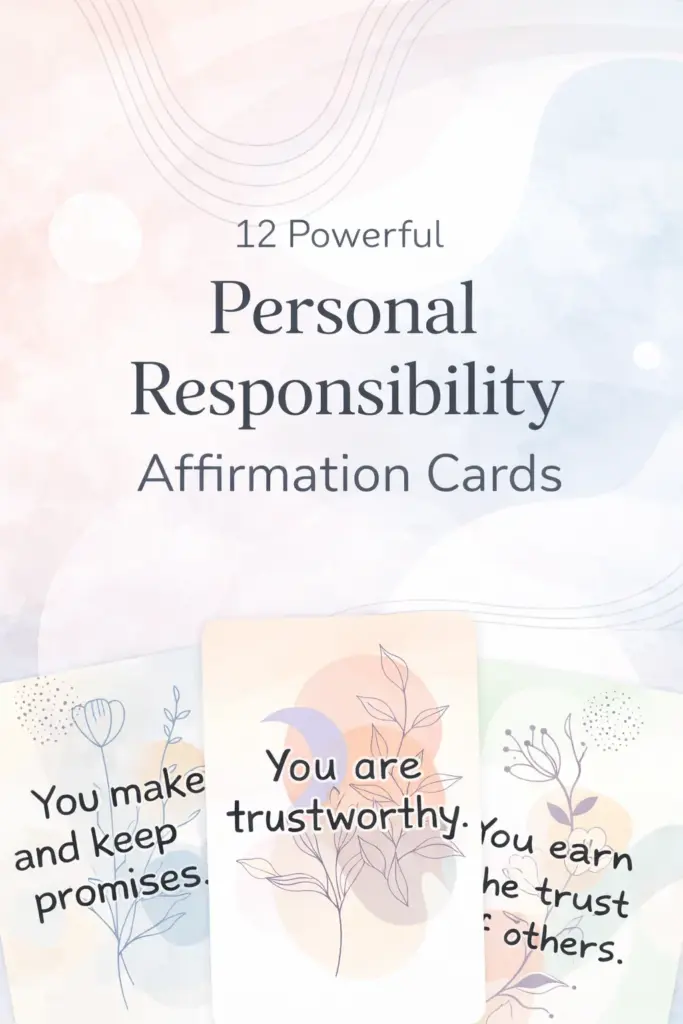
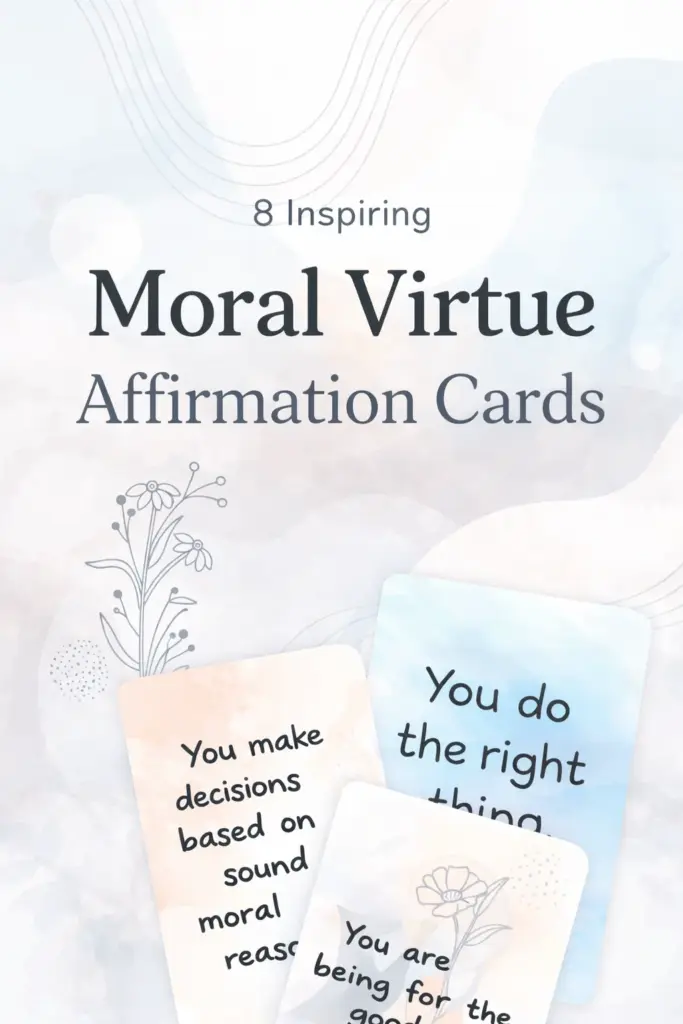
10. Use Positive Affirmations
Positive affirmations help shift anxious, self-critical thoughts to grounding, empowering statements. Healthline
Examples:
- I am safe in this moment.
- I can handle what comes my way.
- My thoughts do not control me.
Affirmations reinforce confidence and reduce stress responses when practiced consistently.
When to Seek Professional Help
If anxiety significantly interferes with daily life—work, relationships, or sleep—consider speaking with a mental health professional. Natural strategies can support well-being, but they don’t replace medical care when it’s needed.
Final Thoughts
Reducing anxiety naturally is not about eliminating stress — it’s about building resilience, awareness, and self-compassion.
Small daily habits create powerful long-term change. Choose one or two techniques from this list and begin today.
✨ Your calm is within reach.
🌿 Explore more wellness tips on DIY Live Life.